Travel medicine · West Palm Beach
Travel vaccines & travel clinic in West Palm Beach
Personalized vaccines and health advice for your trip, from infectious disease specialists serving West Palm Beach and Palm Beach Island since 1985.
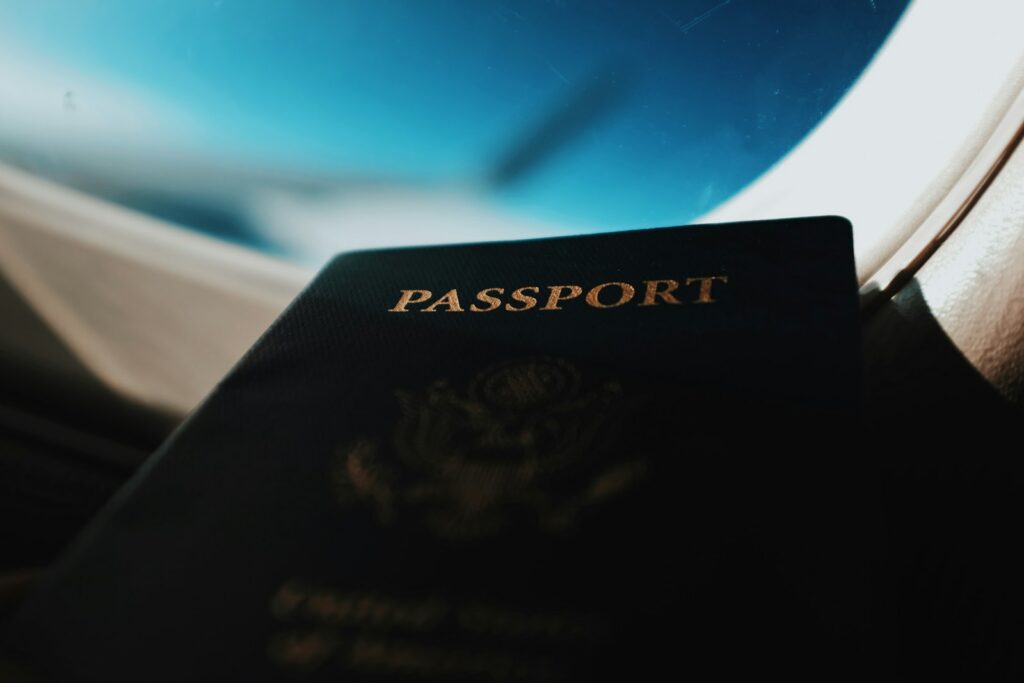
Travel medicine is not one-size-fits-all
The vaccines and precautions you need depend on your itinerary, your medical history and your traveling style. Dr. Dodson founded the Travelers Medical Service in West Palm Beach in 1985, and our physicians have counseled thousands of travelers since.
Your travel visit includes
- A review of your itinerary, activities and medical history
- Recommended travel vaccines for your destination
- Malaria and mosquito-borne illness prevention
- Advice on safe food and water, medical care abroad and jet lag
- Guidance on managing chronic conditions and medications while traveling
- An International Certificate of Vaccination (yellow card)
A travel clinic for Palm Beach travelers
Our downtown West Palm Beach office on Flagler Drive is a short drive from Palm Beach International Airport (PBI) and an easy trip across the Intracoastal for Palm Beach Island residents. Whether you are planning a safari, a trip through South America or Asia, a cruise, mission or volunteer work, or a visit to family in the Caribbean or Latin America, a pre-travel appointment tailored to your itinerary helps you travel safely.
Travelers visiting friends and relatives in their home countries are an important group in South Florida. Protection from childhood exposure fades after years away, so a pre-travel visit matters even when you know the destination well.
Why it matters for Florida travelers in 2026
- 245 travel-associated dengue cases reported in Florida so far in 2026, most after travel to Cuba.
- 38 travel-associated malaria cases and 76 travel-associated chikungunya cases reported in Florida in 2026.
- CDC recommends that all international travelers be fully vaccinated against measles before departure; the U.S. has reported 3,887 measles cases in 2026 (as of Oct. 1).
Florida figures: Florida Department of Health Arbovirus Surveillance, week ending Sept. 26, 2026.
Vaccines we may discuss
Your vaccine plan depends on where you are going, what you will be doing and your health history. A travel visit may include a review of:
- Routine vaccines: measles-mumps-rubella (MMR), tetanus-diphtheria-pertussis, polio and seasonal vaccines
- Hepatitis A and hepatitis B
- Typhoid
- Japanese encephalitis
- Rabies (before travel for some itineraries)
- Meningococcal and cholera vaccines for certain destinations
- Yellow fever: required for entry to some countries and recommended for others
Yellow fever vaccine may be given only at certified yellow fever vaccination centers listed in the CDC’s registry. Ask us when you call whether your itinerary requires it and how to obtain it.
Malaria prevention
Malaria is spread by mosquitoes in parts of Africa, Asia, Central and South America and the Caribbean. For many destinations, prescription medicine taken before, during and after the trip, together with mosquito repellent, protective clothing and bed nets, greatly reduces the risk. We will recommend the right medicine for your itinerary and health.
According to the CDC, malaria symptoms can begin as early as one week after infection or as late as a year or more. If you develop a fever after travel to a malaria area, see a healthcare provider right away and tell them where you traveled.
Travelers’ diarrhea
Travelers’ diarrhea is the most predictable travel-related illness. The CDC Yellow Book estimates it affects 30% to 70% of travelers during a two-week trip, depending on the destination and season. We will review food and water precautions and, when appropriate, discuss what to carry for treatment.
Your travel health kit
- Your prescription medicines in original containers, plus extra in case of delays
- A copy of your medication list and your International Certificate of Vaccination
- Insect repellent and sunscreen
- Any travel medicines we prescribe, such as malaria prevention
- Basic first-aid supplies and hand sanitizer
- Your health insurance information and a plan for medical care abroad
After you return
Call us if you develop a fever, persistent diarrhea, a rash, a cough or other new symptoms after a trip. Infectious disease specialists are trained to evaluate illness in returning travelers, and the details of where you went and what you did help us find the cause quickly.
How vaccines protect you
A vaccine introduces a harmless product that cannot cause the actual disease. Your immune system responds by producing antibodies, and keeps a memory of that response so it can quickly recognize and neutralize the real infection if you encounter it during your travels.
Frequently asked questions
Which travel vaccines do I need?
It depends on your itinerary, your medical history and how you travel. Backpackers and campers face different risks than sightseeing tourists and may need different vaccines even when visiting the same destination. We tailor recommendations to your specific trip.
When should I get my travel vaccines?
See a travel medicine professional about two months before departure. Some vaccines require multiple doses over several months, and getting them on time lets your body build adequate immunity before your trip starts.
I leave next week. Is it too late?
No. Come in right away. Some vaccines still offer protection when given at the last minute, and we will also teach you other ways to stay healthy abroad: safe food and water, mosquito and malaria prevention, finding medical care overseas and managing jet lag.
Do I still need vaccines if I’m visiting the country I’m from?
Yes. Natural protection from diseases you were exposed to growing up fades after you move away, and vaccination standards differ from those in the United States. Travelers visiting friends and relatives abroad should be evaluated before every trip.
I have a chronic illness and take medication. Can I travel abroad?
Yes, with planning. Along with any vaccines you need, we will advise you on managing your medications while traveling, getting medical care abroad and which activities are safe for you.
I can’t remember my vaccination history. Is that a problem?
It helps to know your history, but it isn’t required. We can still recommend the right vaccines for your trip.
What should I bring to my travel appointment?
Bring any medical and vaccination records you have, including your International Certificate of Vaccination (the yellow card). If you don’t have one, we will complete one for you at your visit. Please fill out the Traveler’s Medical Service Form before you arrive.
How close is your travel clinic to Palm Beach International Airport?
Our office at 1411 North Flagler Drive in downtown West Palm Beach is a short drive from Palm Beach International Airport (PBI) and across the Intracoastal Waterway from Palm Beach Island.
Do I need a travel visit before a cruise?
It depends on your ports of call. Some cruise itineraries include destinations where vaccines or malaria prevention are recommended, and outbreaks can spread on board. Bring your itinerary and we will tell you what, if anything, you need.
Before your appointment: please complete the Traveler’s Medical Service Form and bring any vaccination records you have.
Sources
- CDC: Travel Health Notices
- CDC: Destinations and measles vaccination for travelers
- Florida Department of Health: Arbovirus Surveillance, Week 38 (Sept. 20–26, 2026)
- CDC: Measles Cases and Outbreaks
- CDC: Symptoms of Malaria
- CDC Yellow Book: Travelers’ Diarrhea
- CDC: U.S. Yellow Fever Vaccination Center Registry
Location
Near PBI, on Flagler Drive
1411 North Flagler Drive, Suite 7900
West Palm Beach, FL 33401
In downtown West Palm Beach on the Intracoastal Waterway, across the water from Palm Beach Island and on the same stretch of North Flagler Drive as Good Samaritan Medical Center.
Plan ahead
Book about 2 months before you go
Some vaccines need several doses. Leaving sooner? Call anyway; last-minute protection and advice still help.
Plan your travel visit
Call about two months before you leave, or right away if your trip is soon.